

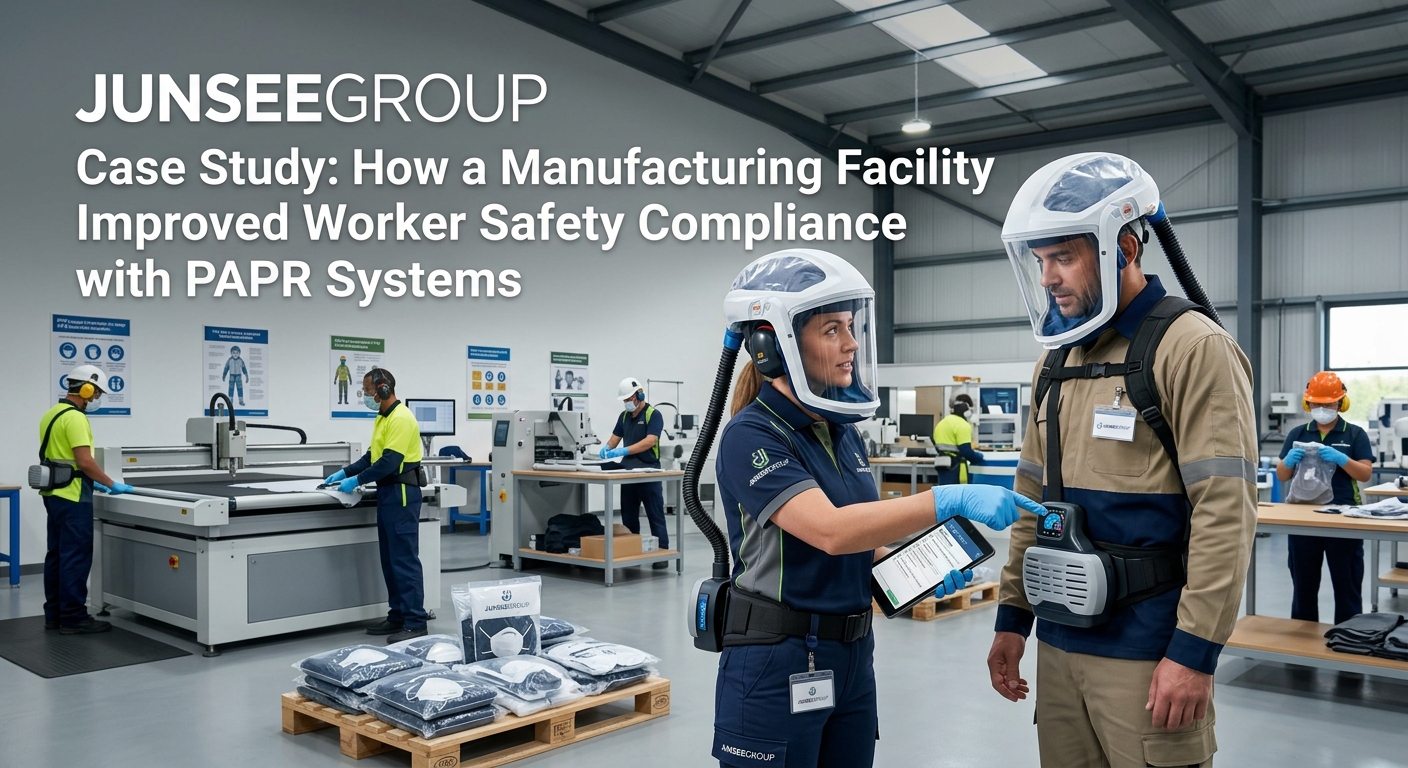
Case Study: How a Manufacturing Facility Improved Worker Safety Compliance with PAPR Systems
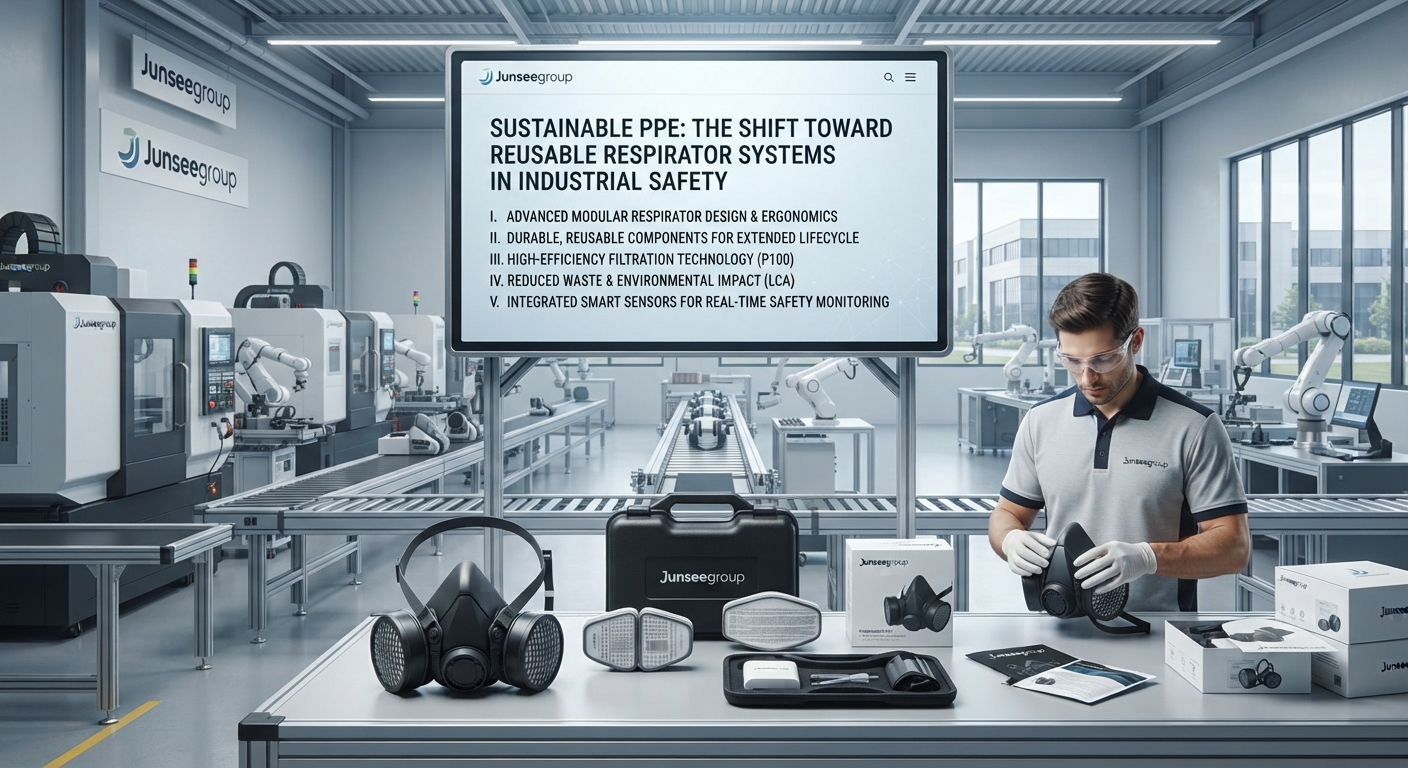
In contemporary industrial manufacturing environments, balancing uncompromising occupational safety standards with high operational productivity remains a complex challenge. Heavy fabrication plants, metal casting workshops, and chemical handling facilities face stringent exposure limits regarding hazardous airborne particulates, welding fumes, and toxic vapors. As an industry-leading professional personal protective equipment solution expert, junseegroup engineered a comprehensive technological intervention for a major industrial manufacturing partner experiencing severe safety compliance deficiencies.
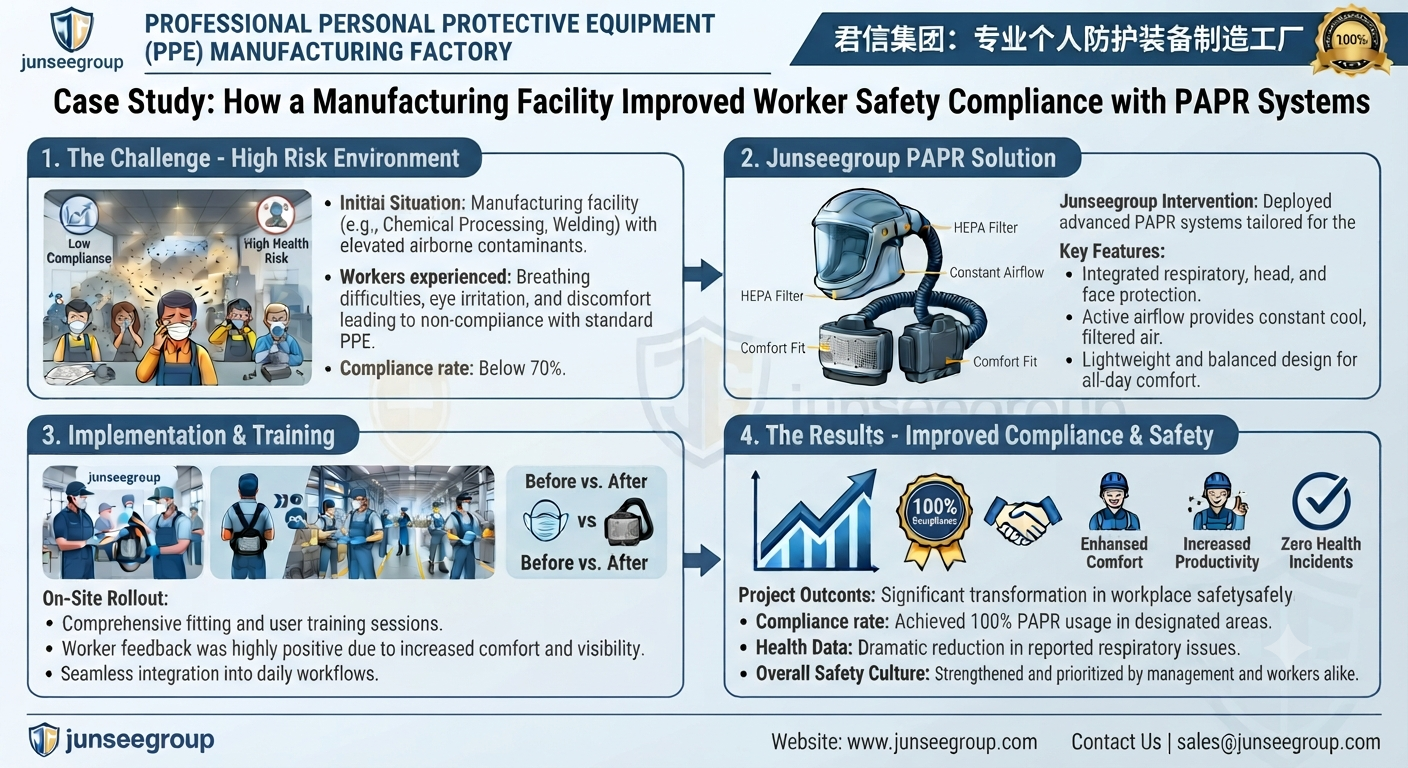
1. The Challenge: Baseline Safety Compliance Failures
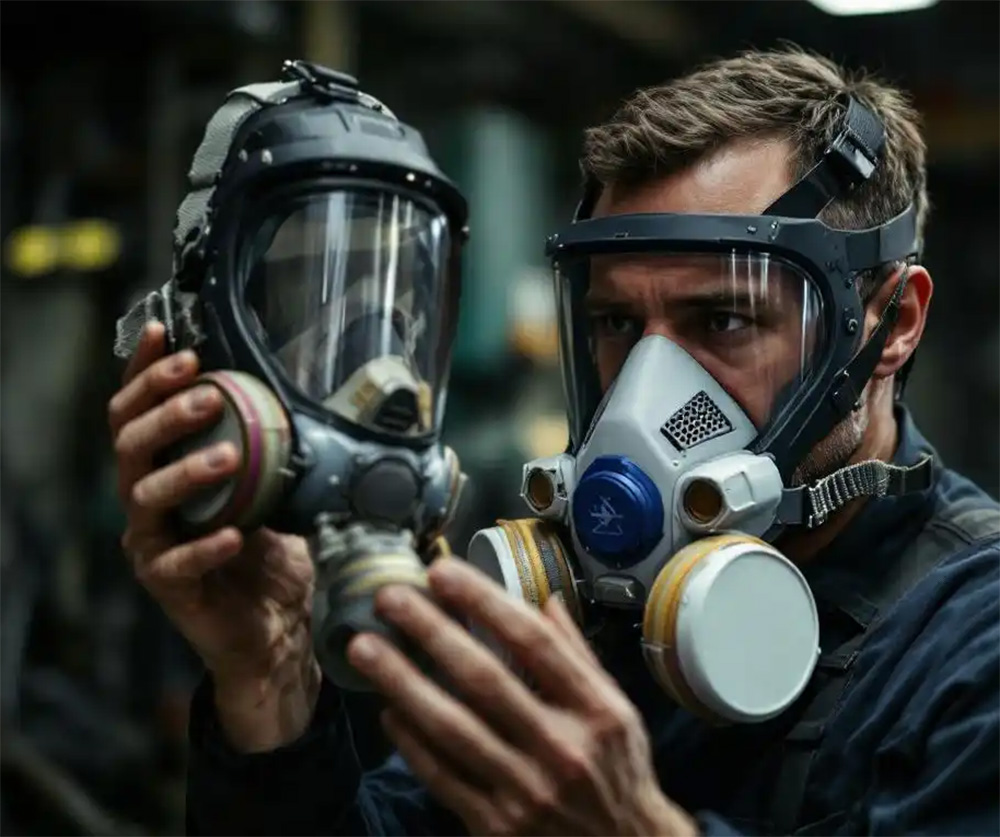
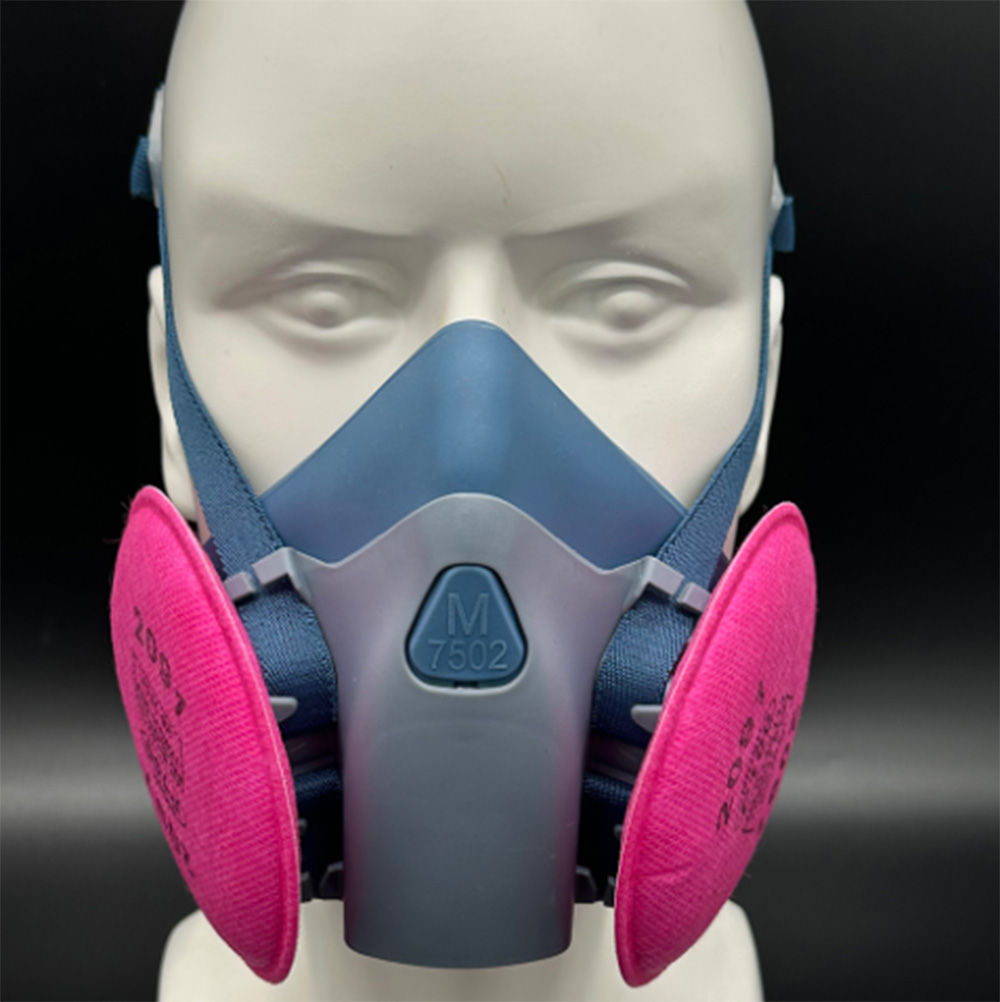
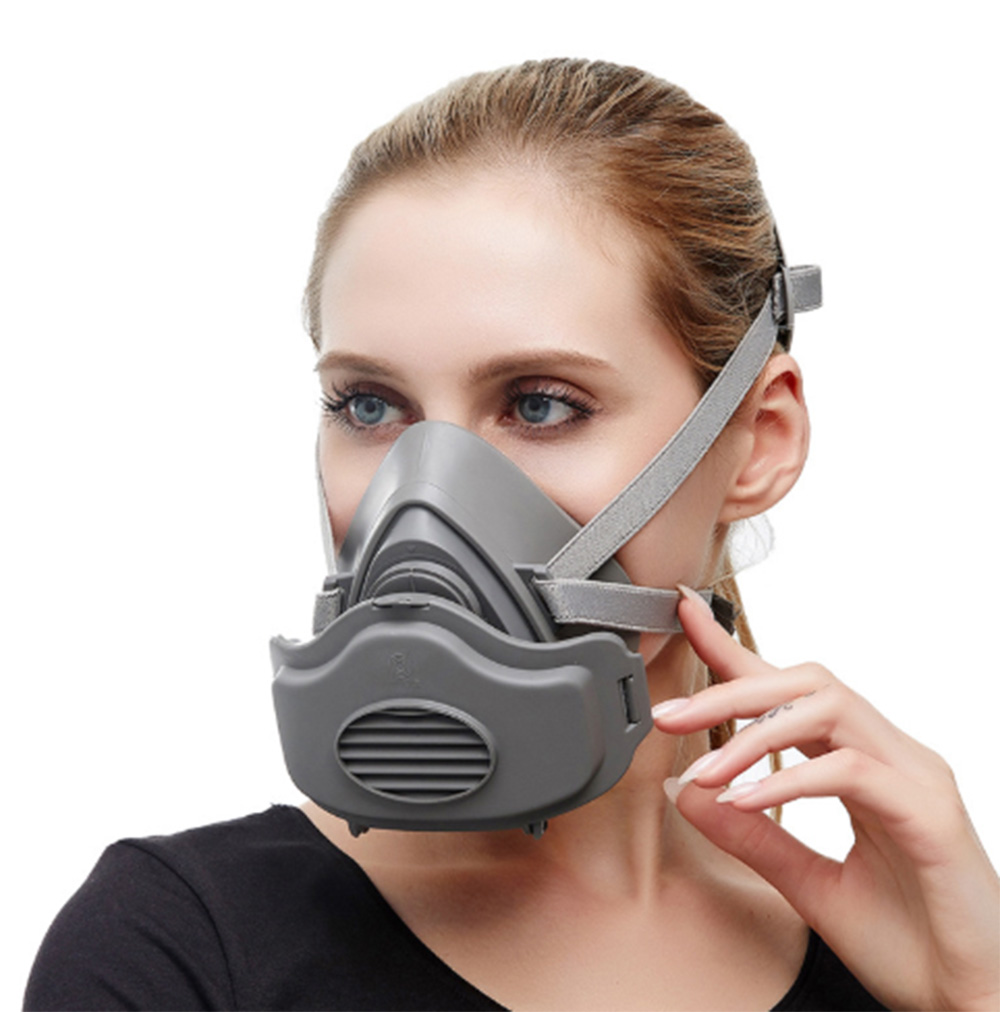
Prior to partnering with junseegroup, the manufacturing facility relied heavily on disposable N95 filtering facepiece respirators and standard elastomeric half-mask respirators. Comprehensive internal safety audits identified critical structural vulnerabilities:
- Low Fit-Testing Pass Rates: Over 28% of machine operators failed annual quantitative fit-testing due to facial hair, facial scarring, or structural face shape variations.
- Severe Heat Stress and Discomfort: Operators experienced high thermal discomfort and frequent lens fogging during extended shifts, leading to unauthorized mask removal in hazardous zones.
- Regulatory Penalties: Inconsistent wearing compliance triggered multiple safety citations and warnings from occupational health regulatory bodies.
- Rapid PPE Degradation: Abrasive heavy-duty industrial conditions caused accelerated wear on disposable masks, driving up recurring consumable expenditures.
2. Engineering Intervention: Deploying Advanced PAPR Systems
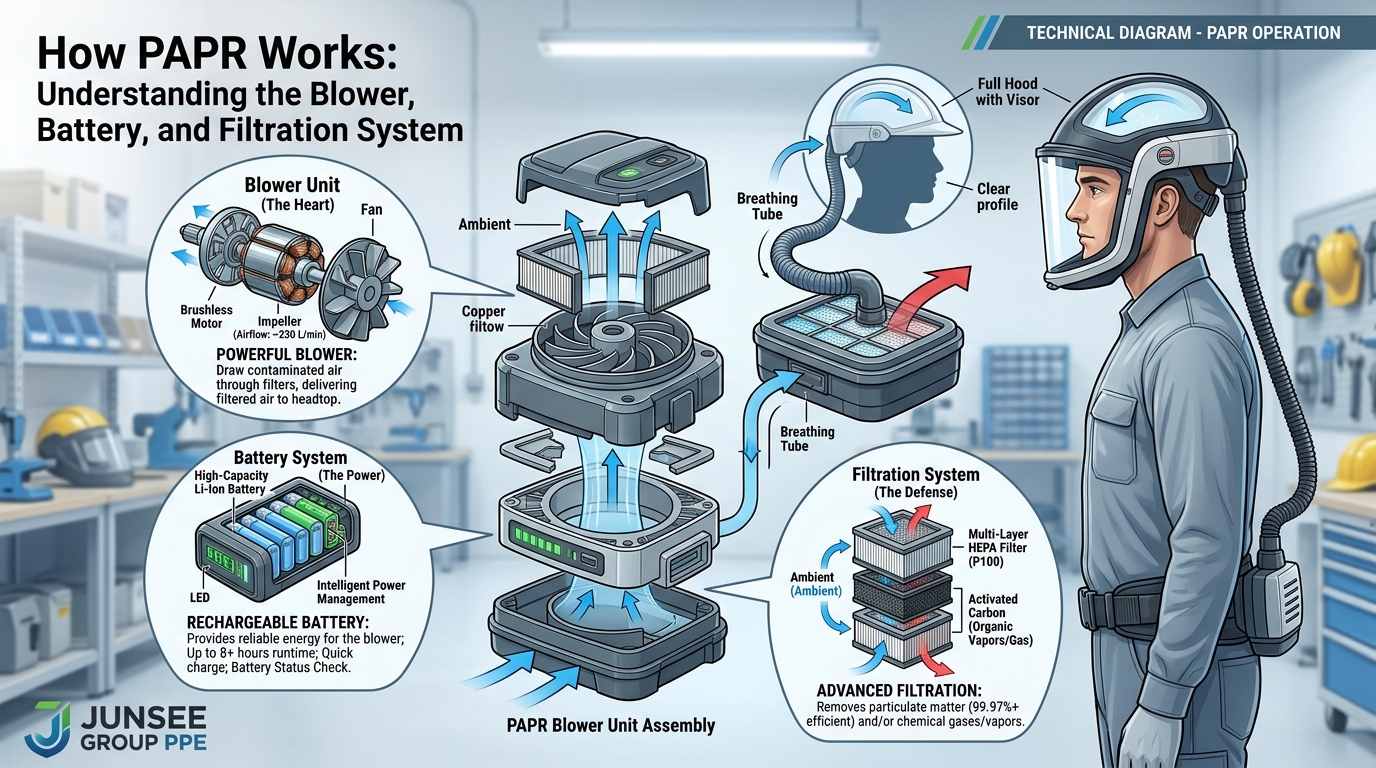
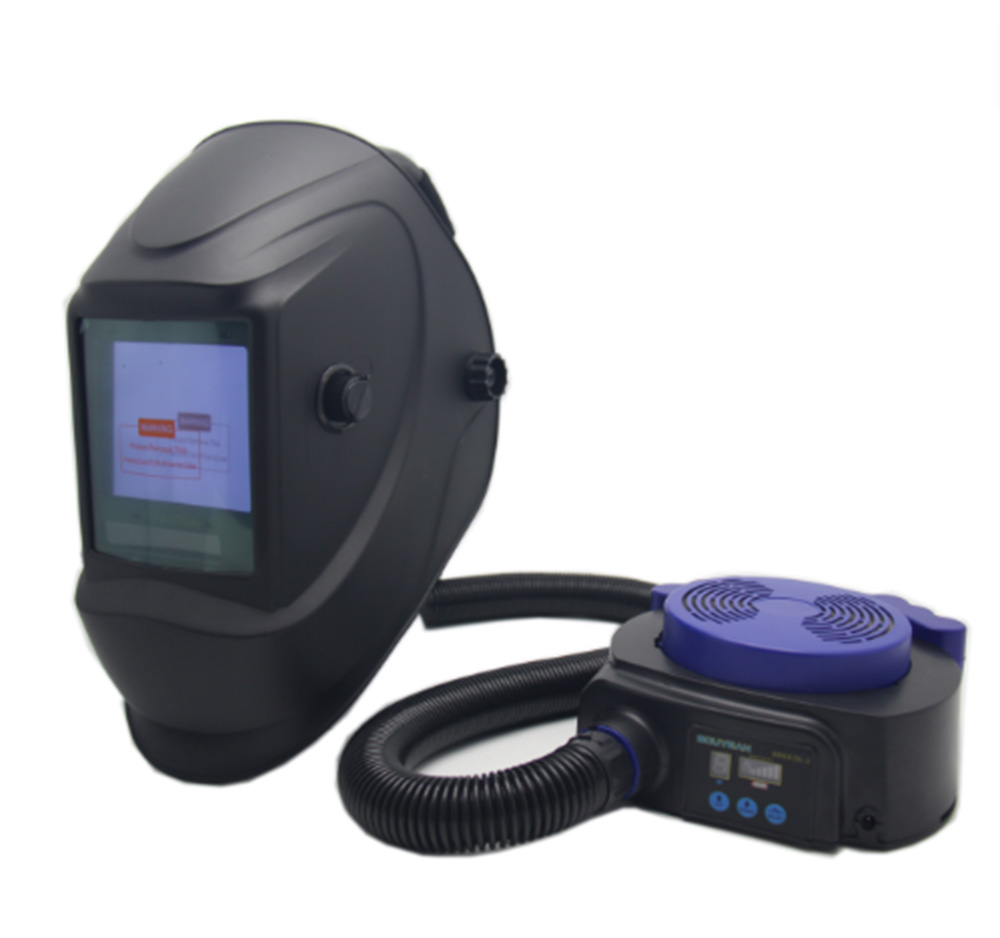
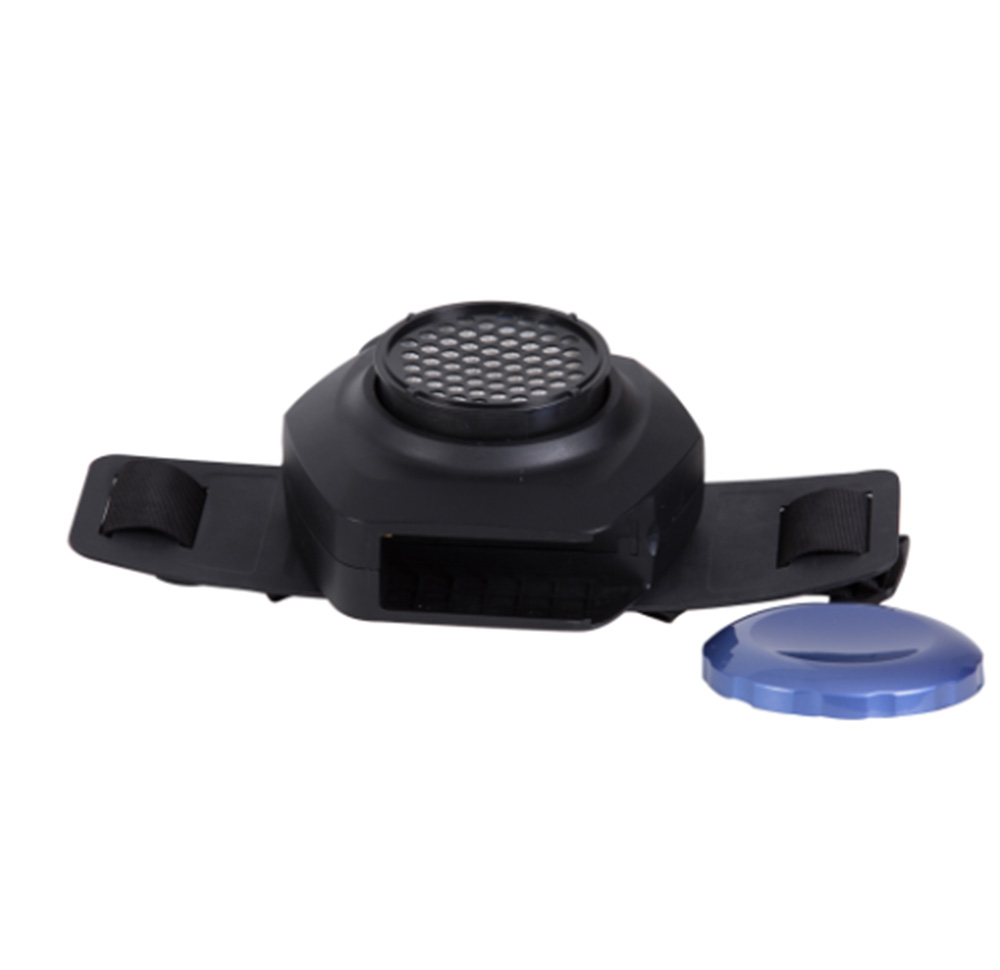
Recognizing the inherent limitations of passive respiratory gear, plant safety engineers collaborated with junseegroup to implement an integrated, plant-wide active respiratory protection infrastructure. The upgraded deployment introduced next-generation PAPR units featuring modular blower assemblies, high-efficiency particulate air (HEPA) filtration cartridges, and lightweight loose-fitting helmet headtops.
| Performance Parameter | Legacy System (N95 / Half-Mask) | Upgraded Junseegroup PAPR System |
|---|---|---|
| Assigned Protection Factor (APF) | APF 10 | APF 1000 (Loose-fitting hood/helmet) |
| Fit-Testing Requirement | Mandatory annual testing per employee | Exempt for loose-fitting headtops |
| Airflow Delivery Mechanism | Negative pressure (user inhalation) | Positive pressure continuous airflow |
| Audited Worker Compliance Rate | 68% across standard shifts | 98.5% across standard shifts |
3. Technical Implementation and Optimization
The engineering rollout orchestrated by junseegroup focused on three core optimization pillars designed to maximize user compliance and hardware reliability:
- Constant Positive Pressure Architecture: Maintaining a continuous positive pressure gradient inside the headtop effectively prevents inward leakage of ambient hazardous particulates, even during strenuous movement.
- Ergonomic Weight Distribution: High-capacity lithium-ion battery packs were integrated with padded waist belts, shifting the center of gravity away from the neck and shoulders to reduce fatigue during 10-hour shifts.
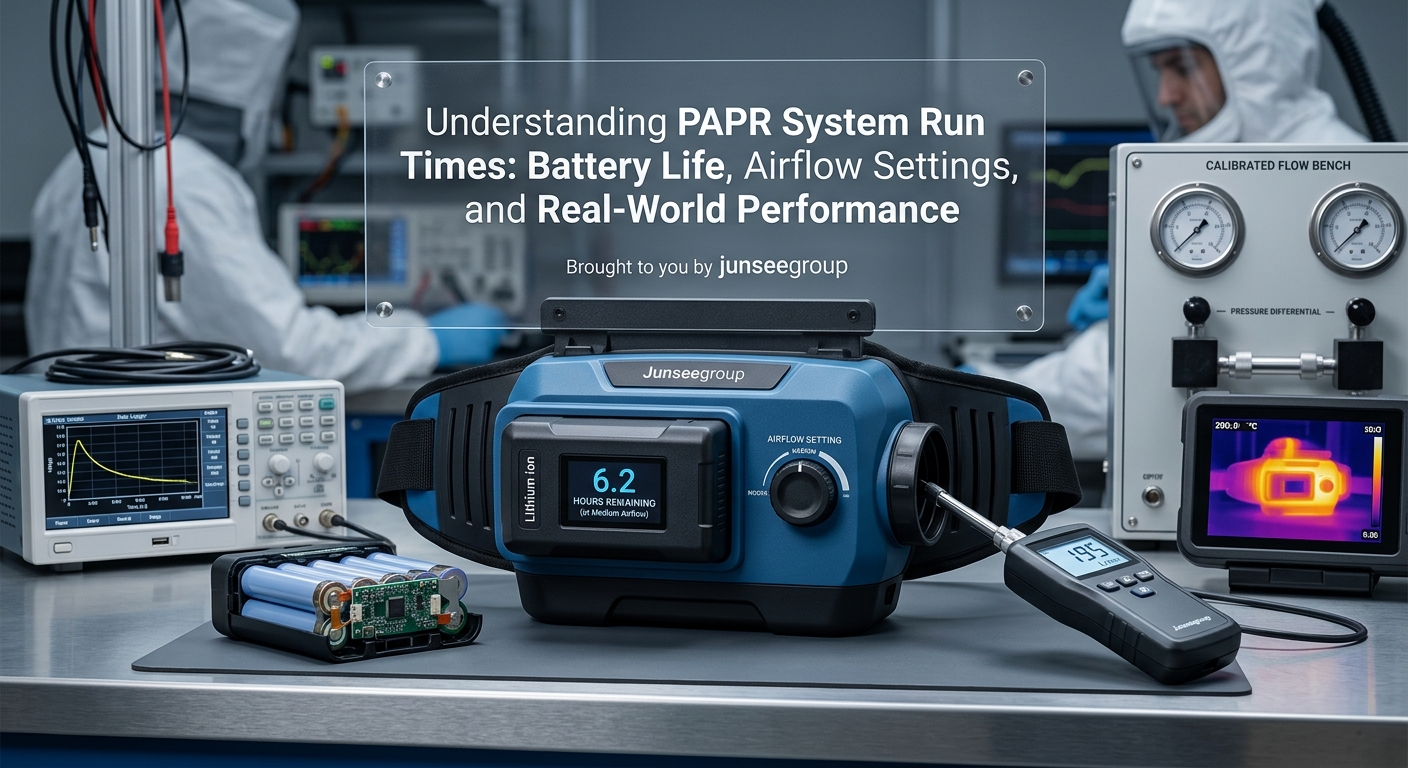
- Intelligent Diagnostic Monitoring: Digital display interfaces provide real-time battery status tracking and airflow restriction warnings, enabling proactive maintenance without halting production lines.
4. Quantifiable Results and Impact Analysis
Twelve months post-implementation, comprehensive follow-up audits demonstrated extraordinary improvements across all operational parameters:
- Zero Fit-Test Failures: Seamless accommodation of bearded operators and diverse facial profiles eliminated compliance gaps entirely.
- Productivity Surge: Elimination of heat stress and continuous lens fogging reduced unplanned work stoppages by 22%.
- Total Cost of Ownership (TCO) Reduction: Reusable blower units and long-life HEPA filters lowered annual PPE recurring costs by 41% compared to disposable alternatives.
Conclusion
This deployment demonstrates the critical importance of upgrading from passive masks to advanced active respiratory systems in demanding industrial environments. By implementing engineered solutions from junseegroup, industrial facilities can successfully overcome compliance bottlenecks and protect their workforce. Trust junseegroup as your dedicated personal protective equipment solution expert for world-class manufacturing excellence.
Keywords: PAPR system case study,industrial respiratory compliance,powered air purifying respirator,personal protective equipment,safety equipment manufacturer,junseegroup,HEPA filtration unit,occupational health optimization,positive pressure respirator,manufacturing worker safety
Your email address will not be published. Required fields are marked